About FRP Industrial RO Plant 500 lph
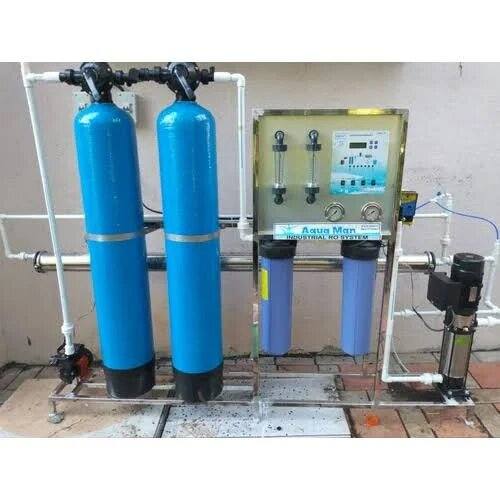
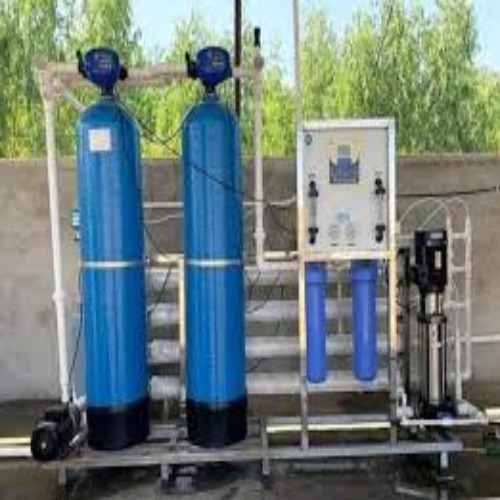
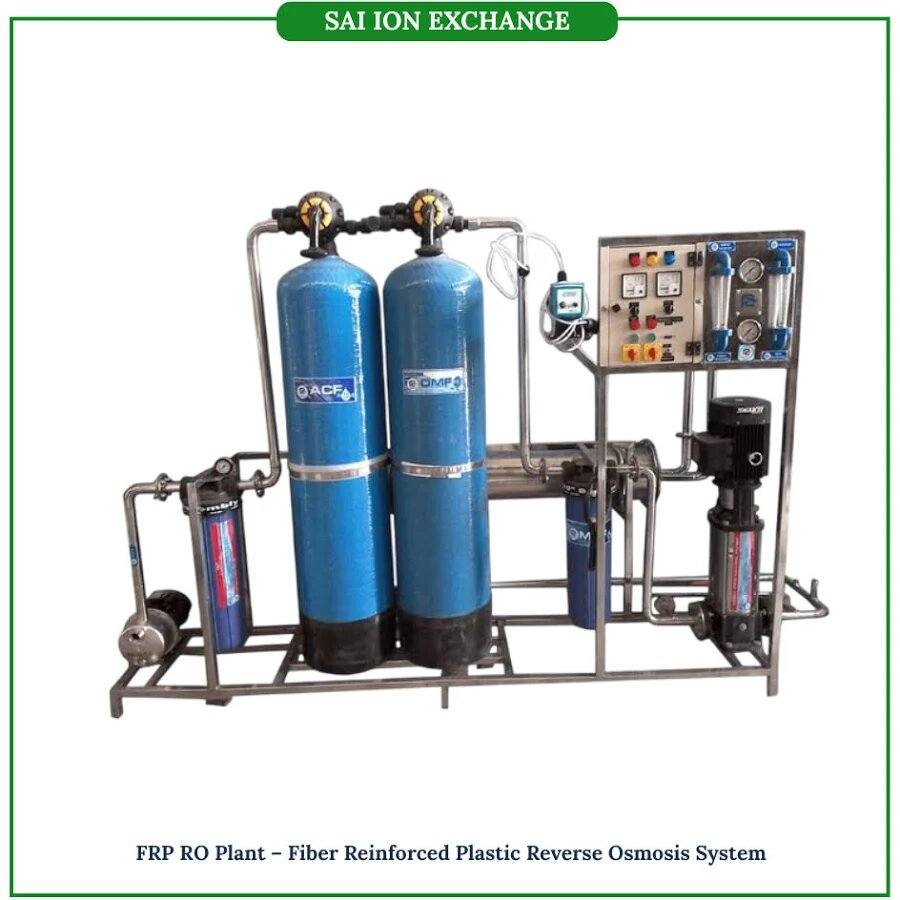
The FRP Industrial RO Plant with a capacity of 500 liters per hour is specially designed for institutional water purification needs. It features a fully automatic operation that ensures consistent performance with minimal manual intervention. The FRP (Fiber Reinforced Plastic) body provides excellent durability and resistance to corrosion. Advanced reverse osmosis technology effectively removes dissolved salts, impurities, and harmful contaminants. This system delivers a reliable supply of safe and high-quality drinking water for continuous institutional use.
Advanced Membrane TechnologyEquipped with Polyamide Thin Film Composite membranes, this RO plant delivers superior salt and impurity rejection, achieving a desalination rate of up to 99%. This ensures highly purified water suitable for sensitive industrial processes such as food, pharmaceuticals, and laboratory work.
Durable and Corrosion-Resistant DesignThe system features an anti-corrosive, durable frame made from FRP or stainless steel, offering both strength and longevity. The skid and housing components are specifically chosen to withstand harsh industrial environments and guarantee stable long-term operation.
Efficient Automation and Easy OperationThe digital control panel with auto/manual modes streamlines operation for users, reducing supervision needs and enhancing precision. Installation is floor-mounted for stability and accessibility, while low maintenance requirements keep downtime and costs minimal.
FAQ's of FRP Industrial RO Plant 500 lph:
Q: How does the FRP Industrial RO Plant achieve such high desalination rates?
A: The plant uses advanced Polyamide Thin Film Composite (TFC) membranes, which effectively filter out dissolved salts and contaminants, resulting in 97-99% TDS removal. Combined with pre-filtration units like sand and carbon filters, the process ensures consistently high water purity.
Q: What are the typical applications for this 500 LPH RO plant?
A: This RO plant is designed for industrial water purification needs, commonly used in food processing, pharmaceutical manufacturing, laboratories, and similar environments where high-quality water is essential.
Q: When should maintenance be performed on the RO plant?
A: Routine maintenance typically includes checking filter elements, pump performance, and cleaning membranes. The frequency varies with water quality and usage but is generally recommended every 3-6 months to sustain peak efficiency.
Q: Where can the RO plant be installed?
A: The unit is suitable for installation in industrial, laboratory, or commercial facilities. Its frame is floor-mounted and customizable for various spaces, and it can process different water sources such as borewell, municipal, and industrial supply.
Q: What is the process followed by this RO plant for water purification?
A: The incoming water first passes through multigrade, sand, and carbon filters before entering the high-pressure RO membrane unit. Here, dissolved solids and impurities are removed, and purified water is collected, leaving behind concentrated brine that can be recycled up to 70%.
Q: How user-friendly is the control and operation of the plant?
A: Featuring a digital control panel with options for automatic and manual operation, the plant is designed for ease of use. Clear controls make regular operation, monitoring, and adjustments simple for all users, even those with limited technical expertise.
Q: What key benefits does this RO system offer for industrial users?
A: Industrial users benefit from high reliability, excellent water purity, low operating noise, and minimized maintenance needs. The customizable and anti-corrosive design ensures durability, while the energy-efficient motor keeps power consumption low.
 Send Inquiry



 Send Inquiry

 Send Inquiry